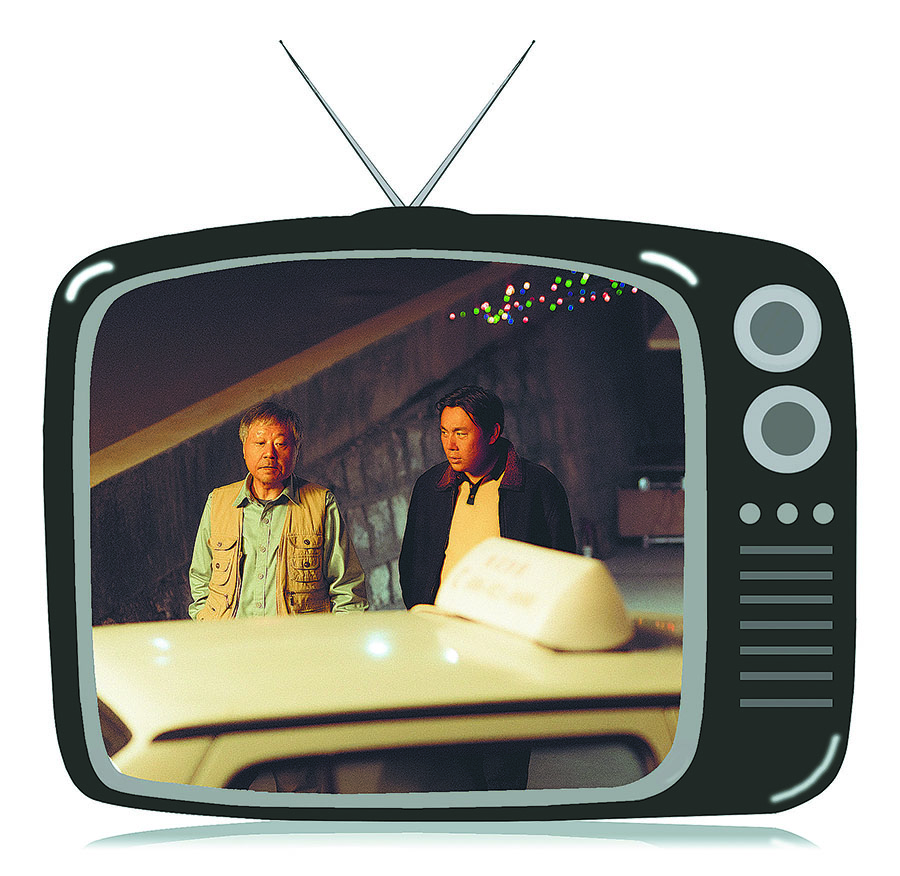
Fan Wei (left) and Qin Hao, who star in The Long Season, drive a shared taxi in the series. (China Daily)
Suspense drama becomes one of nation's highest-rated TV series
A week after the final episode of the suspense drama The Long Season aired on Tencent Video, about 450,000 viewers gave it a score of 9.4 out of 10 on the popular review site Douban, making it one of the highest-rated Chinese TV series.
The show is true to life, as it portrays aging, has twists of fate and mirrors changes in society.
The 12-episode series, starring Fan Wei, Qin Hao and Chen Minghao, premiered on Tencent Video's X Theater on April 22, and has since then topped the platform's hot search list.
The show has been discussed more than half a million times on Sina Weibo, and when the last three episodes were released, the hashtag "The Long Season Masterpiece" was among the platform's top searches for three consecutive days.
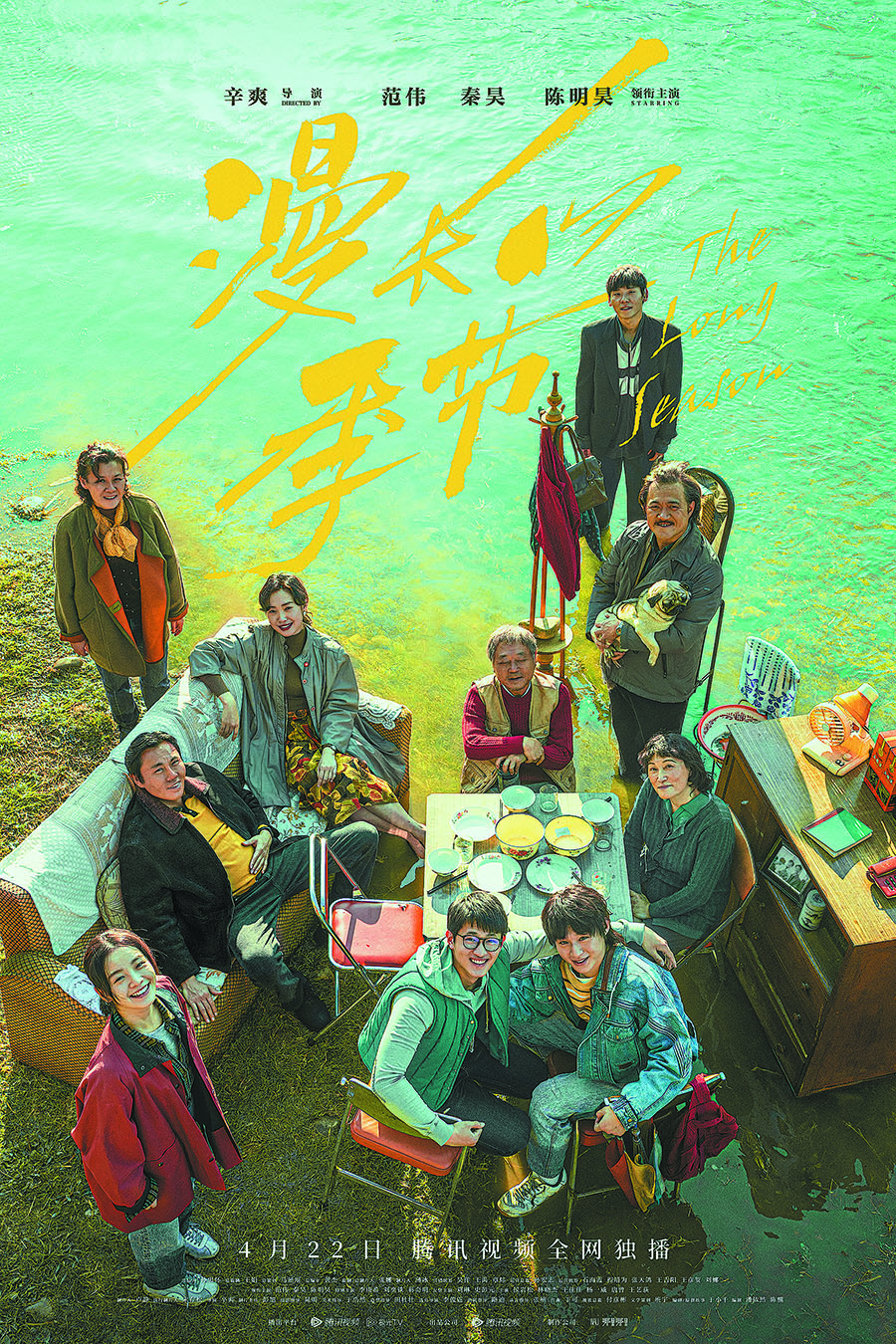
The suspense drama depicts life in the fictional industrial city of Hualin in northeastern China in 1997, 1998 and 2016. (China Daily)
The plot for the The Long Season centers on the fictional industrial city of Hualin in northeastern China, where the Hualin Steel Plant used to be the pride of the city and its main industry. Wang Xiang, the leading character, was a train driver at the company, before he retired and became a taxi driver.
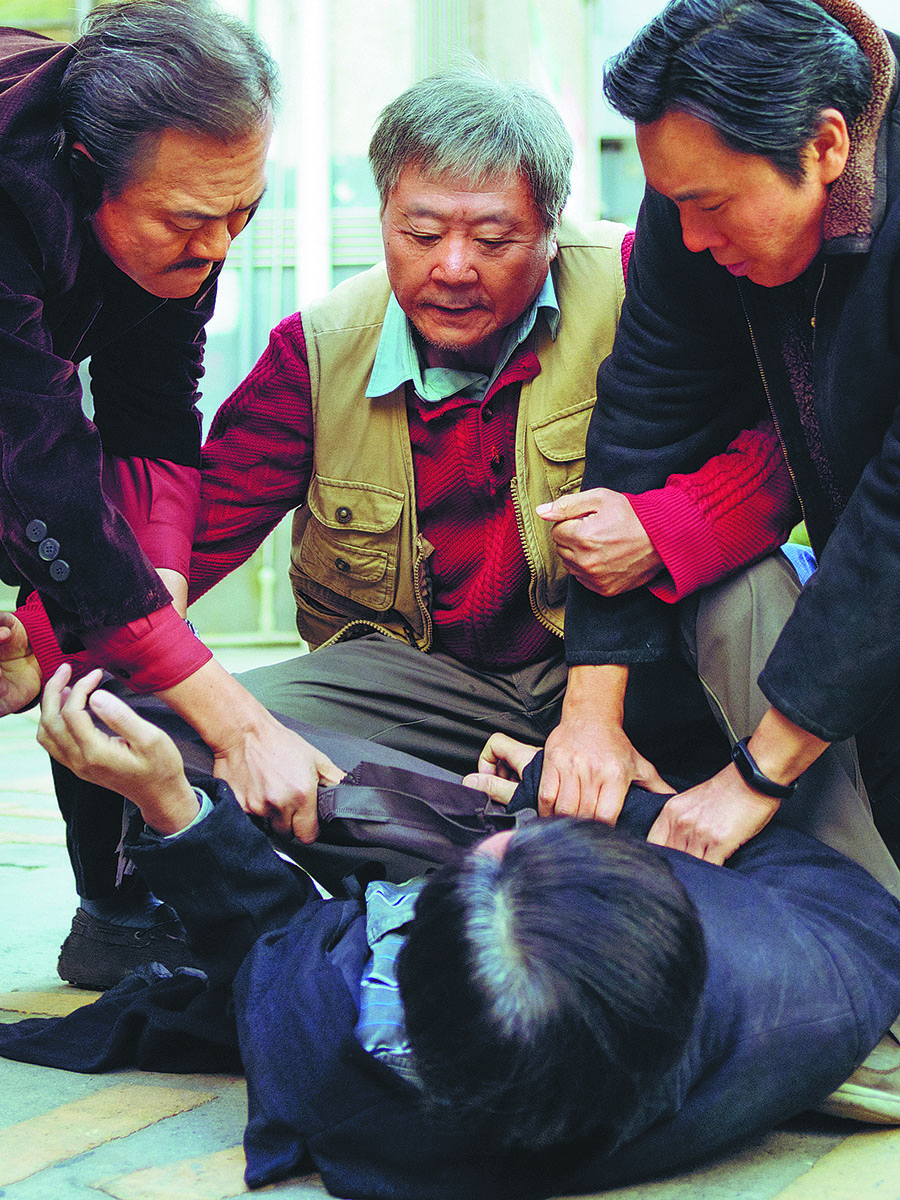
In 2016, Wang helped his brother-in-law Gong Biao resolve a case of car registration fraud, but unexpectedly discovered clues related to his own son Wang Yang's "accidental death" 18 years ago. Wang Xiang, Gong and retired police officer Ma Desheng reunite to uncover the truth of the past.
The story follows the three seniors as they track down the culprit, during which they also reflect on their own lives and the changing times around them.
At the start of the series, the authentic northeastern accents of the main characters, along with various playful jokes, created a great deal of humor.
The Long Season is the second TV series directed by Xin Shuang. Three years ago, his debut series The Bad Kids received a score of 8.8 out of 10 on Douban, and has since become a classic work among domestic suspense dramas.
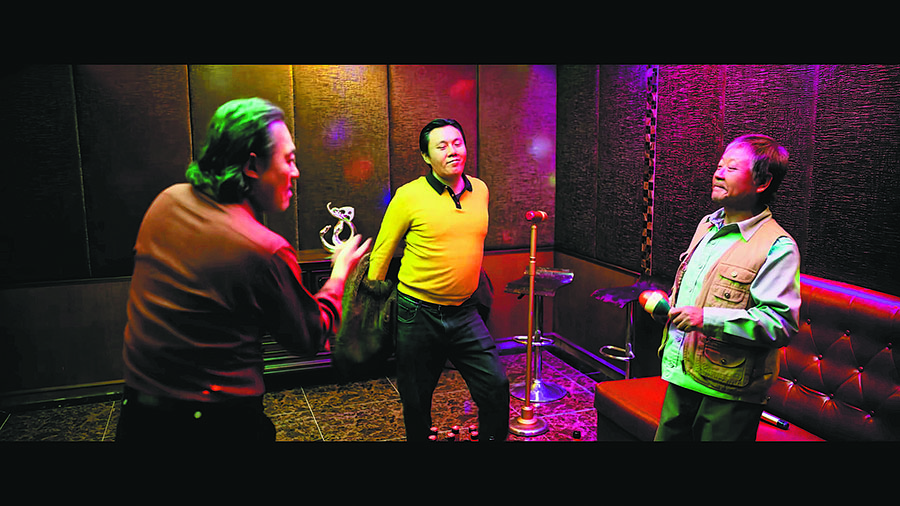
Xin said the use of warm colors to present The Long Season is designed to portray a positive feeling, adding, "The people in the northeast I know are usually cheerful and optimistic, and this type of character is unique in crime films."
The story of The Long Season is set in 1997, 1998 and 2016, and Xin uses visual language to convey time transitions, rather than relying on explicit timelines.
He feels that one of the project's charms is its timelines, and if the show had been presented in chronological order, it would not have resulted in the same viewing experience.
(China Daily)
Music praised
The Long Season has also been praised for its music, which is seamlessly woven into the narrative. Xin, who was guitarist for the band Joyside, teamed up with composer Ding Ke again after their work on The Bad Kids to fit more than 10 highly energetic pieces of music into the series.
The songs that feature in the closing credits are mostly from independent and rock music bands, but classical music was also chosen, including The Blue Danube, which is used at the end of the tenth episode to give viewers a sense of novelty and contrast.
The opening part of a poem penned by Wang Yang in the series, which was written in real life by Ban Yu, a writer from Shenyang, Liaoning province, contains these lines:
Snap your fingers, he said,
Let's create a resonant snap.
Distant things will be shattered,
People in front of us are still unaware.
Xin feels that the poem explains the relationship between the story's timelines, with each affecting the others.
The murder case in the series serves as an "entry point" for audiences to examine the life values and beliefs of those living in the times the show is set in, Xin said, adding that this is the most important aspect of the series, as it gives people an insight into the society and culture of years gone by.
In the past two years, more young writers from the northeast have emerged, offering popular literary works mostly set at the end of the 20th century. Many of their contributions have been adapted into TV series and films.
Liang Hong, professor at Renmin University of China's School of Liberal Arts, has long paid attention to the new generation of writers from the northeast.
"The cultural and social landscape of the 1990s undoubtedly had a profound impact on literature. Social transformations always bring about new societal statuses and human developments," Liang said in an interview with Lifeweek Magazine.
She thinks the writers' works showcase a certain resilience and self-deprecating spirit of survival, and that they excel at portraying the interconnectedness of daily life and the inner workings of the human psyche.
(China Daily)
The script for The Long Season was co-written by Yu Xiaoqian, Pan Yiran and Chen Ji. Pan and Chen also worked with Xin on The Bad Kids. In the past two years, they have both read popular stories about the northeast and watched TV works adapted from them.
Chen said the numerous comments shared by people from the northeast on short-video platforms such as Douyin and Kuaishou gave him inspiration about local residents' daily lives.
Pan said Xin decided to depict a "golden view" of the northeast in The Long Season, so the original darker story written by Yu was changed into the final plotline presented to audiences. (CHINA DAILY)
Editor: Lee
